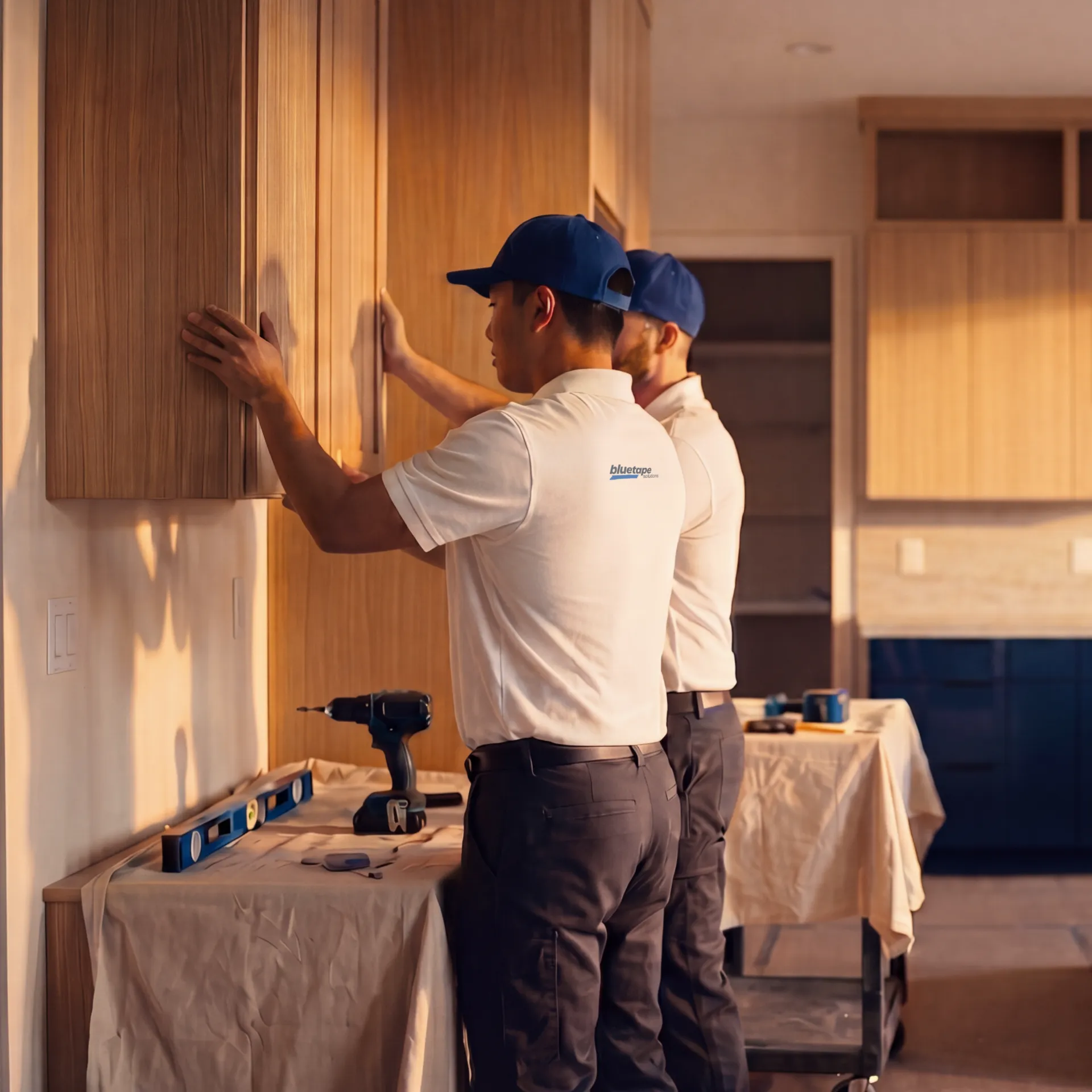
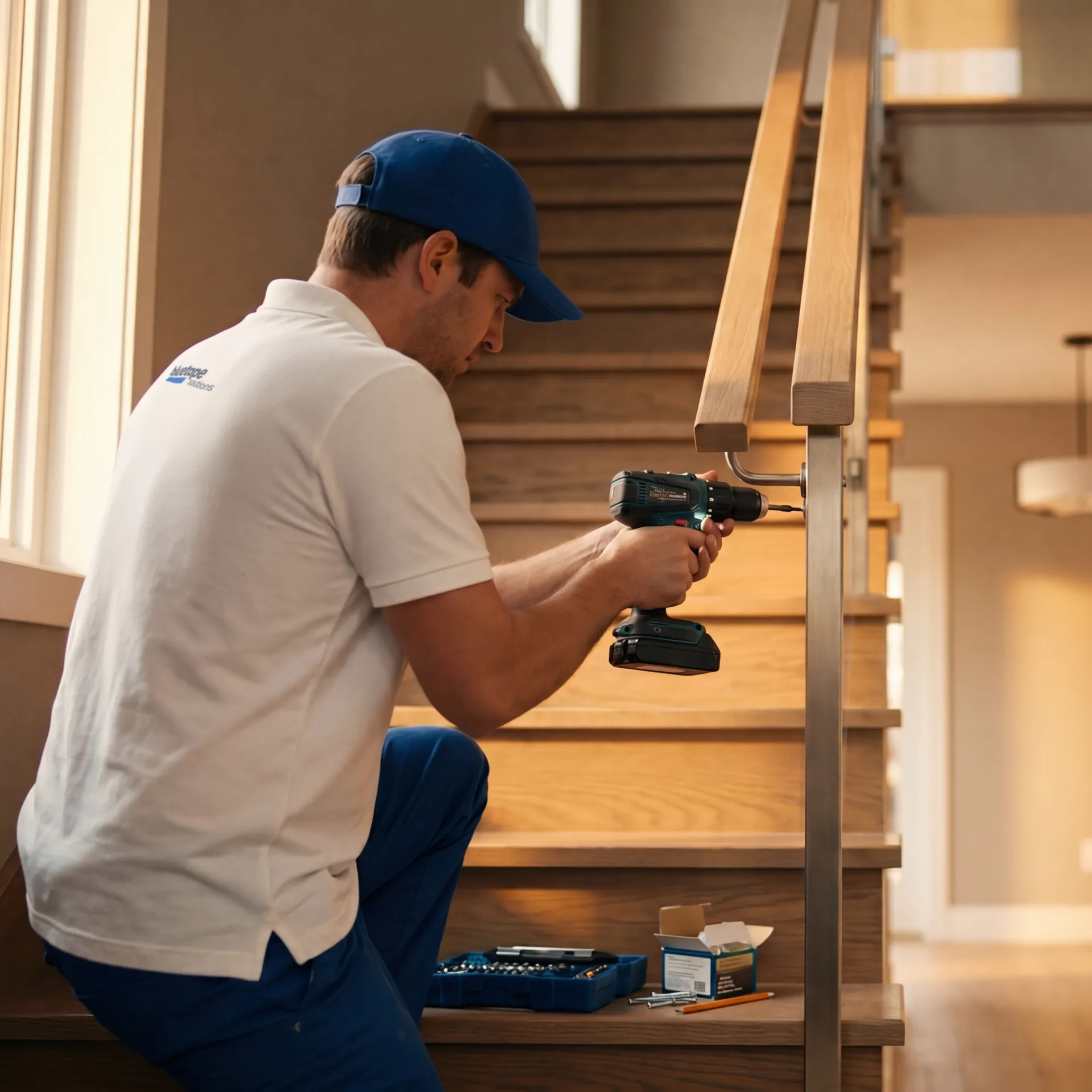







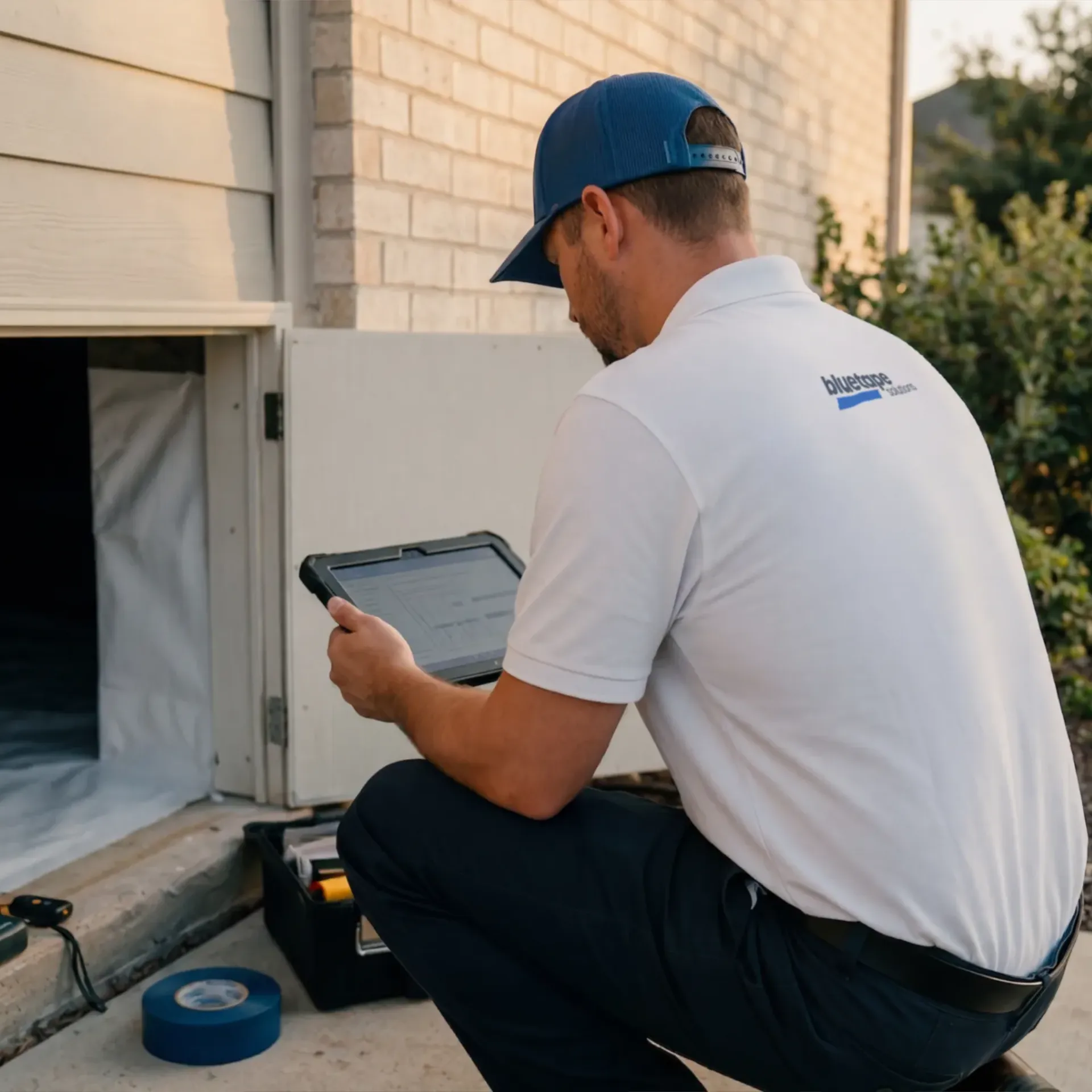

A home rarely needs just one type of repair.
A pre-listing project might include interior paint, flooring repairs, exterior carpentry and an electrical update. An inspection report can identify plumbing, electrical, roofing and moisture concerns within the same property. And after closing, a buyer may want to address several of those items while also making improvements before move-in.
Each repair may be straightforward on its own. The complexity comes from executing several different scopes of work within one project — particularly when the work is tied to a real estate transaction with a defined timeline.
Multi-trade consolidation is a repair model designed around that reality. Instead of dividing a project among several independent contractors, multiple trades are brought together under one repair partner responsible for estimating, scheduling, coordination, execution, and documentation.
For real estate agents, it is another way to structure the repair side of a transaction when a property requires more than a single specialized service.
What is multi-trade consolidation?
Traditionally, a multi-trade repair list is separated by specialty. Electrical items go to an electrician. Plumbing goes to a plumber. Exterior repairs may require a carpenter, roofer or siding contractor. Painting and flooring require their own crews.
That can turn one repair list into four, five, or more separate vendor relationships.
Multi-trade consolidation changes the structure of the project rather than the work itself. The appropriate specialists still perform the individual repairs, but Bluetape Solutions manages the complete scope with Bluetape Solutions employees.
Our services span handyman and general repair, electrical, plumbing, HVAC, painting, flooring, siding and exterior repair, roofing, crawl space and foundation work, and remodeling and home upgrades. That breadth allows multiple items from the same property to move through one repair process rather than several disconnected ones.
The distinction matters because consolidating trades is not about asking one technician to perform work outside of their expertise. It is about consolidating the management of multiple qualified trades.
The complications of multi-trade repair projects
The number of repairs does not always determine the complexity of a project. The number of parties involved can matter just as much.
Consider an inspection report containing a GFCI correction, a plumbing leak, damaged exterior wood, several handyman items and a roofing repair. None necessarily represents an unusually large construction project. Together, however, they create a multi-trade project.
Under a fragmented model, each scope can require a separate inquiry, estimate, approval, schedule, point of contact, invoice, and completion record. There may also be dependencies between trades. Carpentry may need to happen before painting. Plumbing work may expose drywall that subsequently needs repair. Exterior repairs may need to be completed in a particular sequence.
Consolidation places responsibility for those dependencies with one project team.
This becomes particularly relevant in real estate because the repair schedule often exists inside a larger transaction schedule. Bluetape's repair process, for example, is structured around receiving a property scope or inspection report, producing an itemized estimate within 24–48 hours, and then coordinating approved work and completion documentation.
The repair company is therefore working backward from a transaction requirement rather than treating each trade as an unrelated service call.
One repair scope instead of several separate projects
One of the clearest ways to see multi-trade consolidation is to look at the repair list as a whole.
In one Bluetape project, the scope included electrical work such as replacing an outdated panel and adding GFCI outlets; masonry repairs and repointing; carpentry and decking repairs; exterior sealing and siding work; and corrections to exterior safety concerns.
Viewed individually, those are separate categories of work. Viewed through a consolidated model, they are one large repair project.
That shift creates a single point of accountability for the complete scope. Scheduling decisions can be made across trades rather than contractor by contractor. Communication can reference the overall project rather than an individual work order. Documentation can also be consolidated at completion. With multi-trade consolidation, when the project is completed a single invoice is delivered, instead of multiple invoices scattered over time and trade.
For an active real estate transaction, that structure can make the status of a large repair list considerably easier to see.
Multi-trade consolidation is built around timeframes
Contractors typically schedule work according to their own availability and existing project calendars. Real estate transactions introduce a different kind of deadline.
A property may need to be ready for photography. Inspection repairs may need to be completed before closing. A buyer may have a narrow period between closing and move-in. Those dates do not necessarily align neatly with the schedules of four independent contractors.
This is one reason Bluetape Solutions describes our model as purpose built for real estate transactions. The goal is not simply to offer many repair services. It is to organize those services around the pace of a transaction. Your timeline informs our timeline.
On a recent Bluetape multi-trade project, a 70-page inspection report was converted into an estimate in less than 48 hours. Four skilled trades were coordinated through Bluetape's team, and the repairs were completed within five business days before move-in.
That is the practical value of consolidation: fewer separate workflows have to converge on the same deadline.
Consolidation can reduce the administrative side of repairs
The physical work is only one component of a multi-trade project.
Every additional vendor can introduce another estimate to review, schedule to track, conversation to follow, invoice to process and completion status to confirm. When several trades are involved, the administrative workload surrounding the repairs can become substantial even when the individual jobs are relatively small.
A consolidated model reduces those separate touch points.
In the same Bluetape case study, consolidating four trades was estimated to save more than 15 hours of administration and project-management work. The exact time savings will naturally vary by property and scope, but the mechanism is straightforward: one coordinated project requires fewer independent vendor interactions than several separately managed projects.
This is also why communication and documentation are important parts of the model. Bluetape's process combines the initial scope of work, coordination, execution, communication and final documentation, including a completion report when the work is finished.
Where multi-trade consolidation fits in a real estate transaction
Multi-trade consolidation can apply at several points in the life of a property transaction.
Before listing, it can bring together repairs and updates needed to prepare a home for market, from painting and flooring to electrical, plumbing, or exterior work.
After an inspection, it can turn a report containing issues across multiple systems into one coordinated repair scope. Bluetape's service model specifically spans both smaller punch-list items and specialized work such as electrical, plumbing, roofing, HVAC, and crawl-space repairs.
After closing, the same model can be used when buyers want several repairs or improvements completed before move-in.
The common denominator is not the phase of the transaction. It is the presence of multiple trades operating against a shared timeline.
A different way to organize real estate repairs
Multi-trade consolidation does not change what needs to be repaired. Electrical work still requires electrical expertise. Plumbing still requires plumbing expertise. Roofing, carpentry, flooring, and other trades retain their own technical requirements.
What changes is how those specialties are brought together.
Instead of a property repair list becoming a collection of independent contractor relationships, it becomes one coordinated project with a single repair partner responsible for moving the scope from estimate through completion.
That is the principle behind Bluetape Solutions' approach: one team for every phase of the deal, with multiple trades under one roof.
For real estate transactions involving several repair categories, multi-trade consolidation provides a structure designed around the factor that matters most once the scope is defined: getting all of the work coordinated, completed, and documented within the timeline the property requires.
Learn more about Bluetape Solutions