

An inspection report can introduce a new expense at a very specific point in a real estate transaction.
The property is already under contract. The seller may have already spent money preparing the home for the market. Then an inspection identifies electrical, plumbing, roofing, HVAC, carpentry or other repairs that become part of the conversation before closing.
When the seller agrees to complete repairs, there are two separate questions: What will the work cost? And when does that money have to change hands?
Bluetape Solutions' Pay at Close for inspection repairs separates those two questions. Eligible inspection repairs can be completed before closing while payment is deferred until settlement, allowing the repair cost to come from closing proceeds rather than requiring the seller to write another check during the contract period. Bluetape specifically offers Pay at Close options for both pre-listing and inspection repairs.
What is Pay at Close for inspection repairs?
With Bluetape's Pay at Close option, the inspection repair scope is estimated and approved just like any other Bluetape project. Our team completes the agreed-upon work, but instead of collecting payment from the seller immediately, the approved invoice is paid at closing.
The value is straightforward: the repairs can move forward without the seller having to fund that invoice from their bank account during the transaction.
This is different from simply providing a concession for an estimated repair cost. With Bluetape, there is a defined scope and fixed price attached to actual repair work. Depending on the agreed scope and timing, the work can be completed before closing and documented accordingly.
Bluetape's current process is designed around inspection timelines: agents can submit the property details and inspection report, receive a clear itemized estimate within 24–48 hours, and have the approved work coordinated through one repair company.
Keeping cash available while the transaction is underway
By the time an inspection report arrives, a seller may already have incurred expenses preparing the property for market. Painting, landscaping, cleaning, flooring and other pre-listing work all happen before sale proceeds are available.
Inspection repairs introduce another potential expense later in the process.
There isn't good evidence that paying those repairs out of pocket is inherently a bad financial decision, and the right financial choice will depend on the seller and transaction. What Pay at Close changes is liquidity: an eligible seller doesn't necessarily have to move several thousand dollars out of available cash to get an agreed-upon repair scope underway.
For many sellers, selling a home isn't their only transaction. They're also preparing to purchase their next one. Pay at Close allows eligible sellers to complete agreed-upon inspection repairs without requiring another immediate out-of-pocket expense before their sale closes.
A defined repair scope can remove uncertainty
Inspection negotiations can also involve the difference between putting a dollar amount against an issue and actually resolving it.
A $3,000 concession, for example, establishes $3,000. It doesn't necessarily establish exactly what the repair will cost, who will perform it or what the completed scope will include.
A Bluetape estimate puts a defined price against defined work.
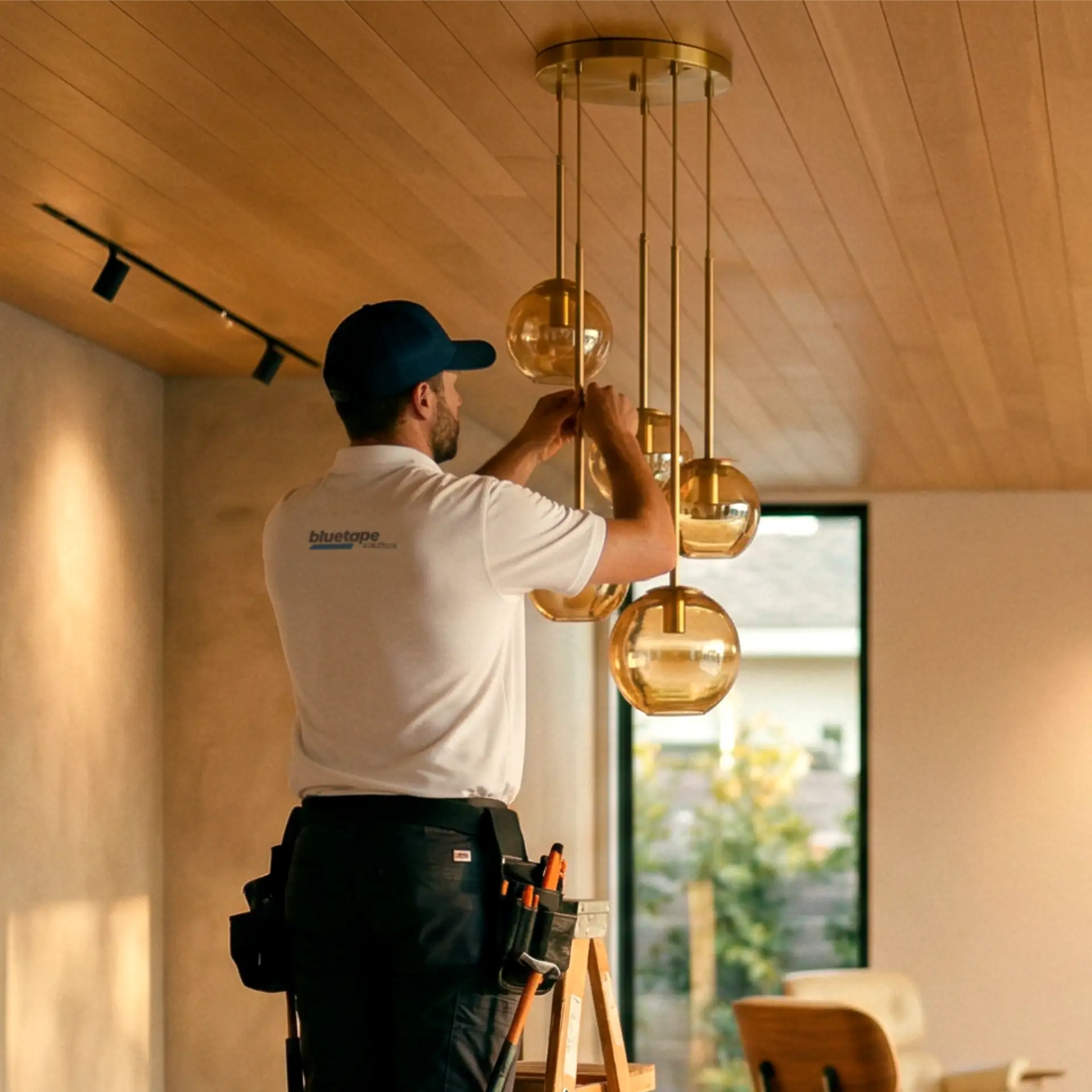
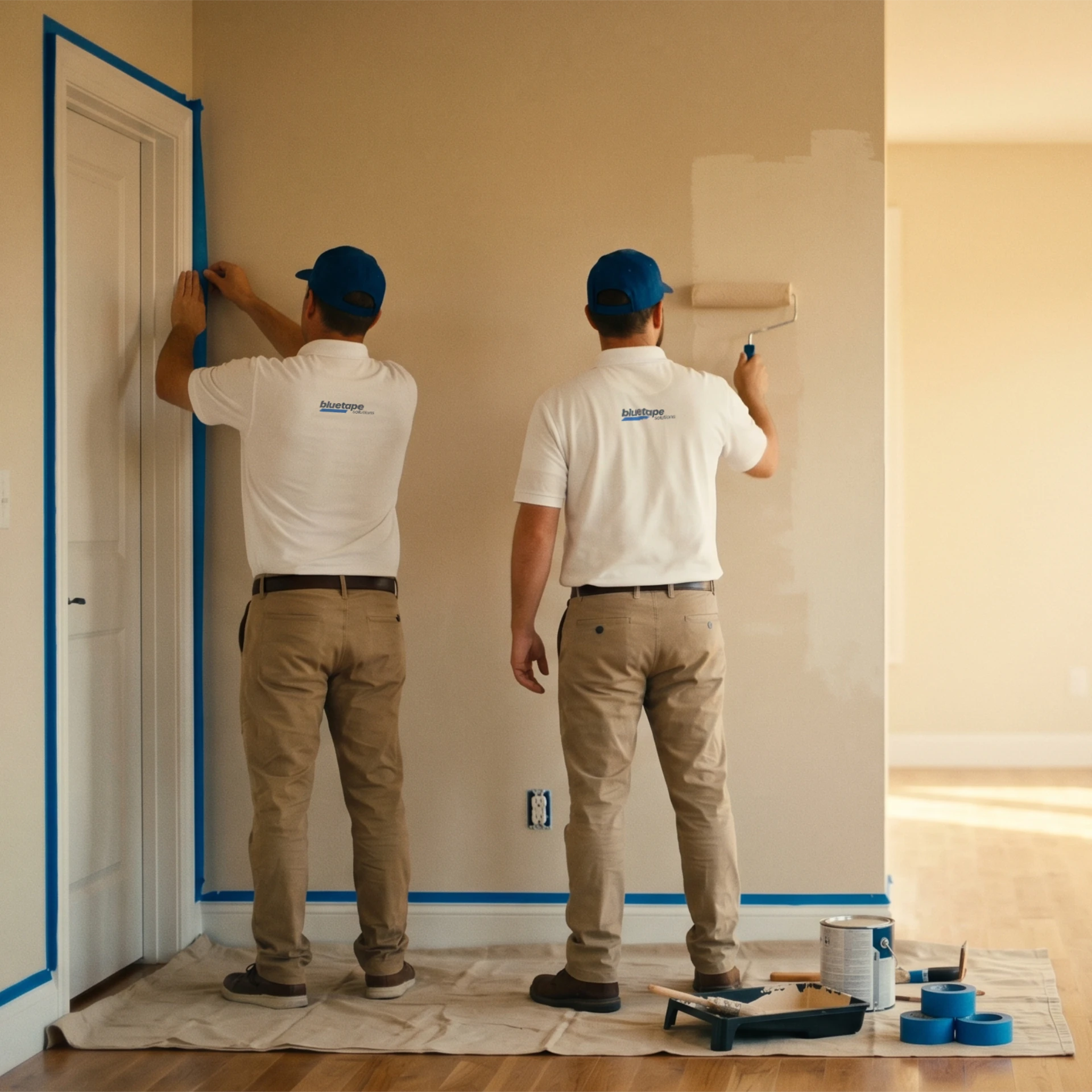
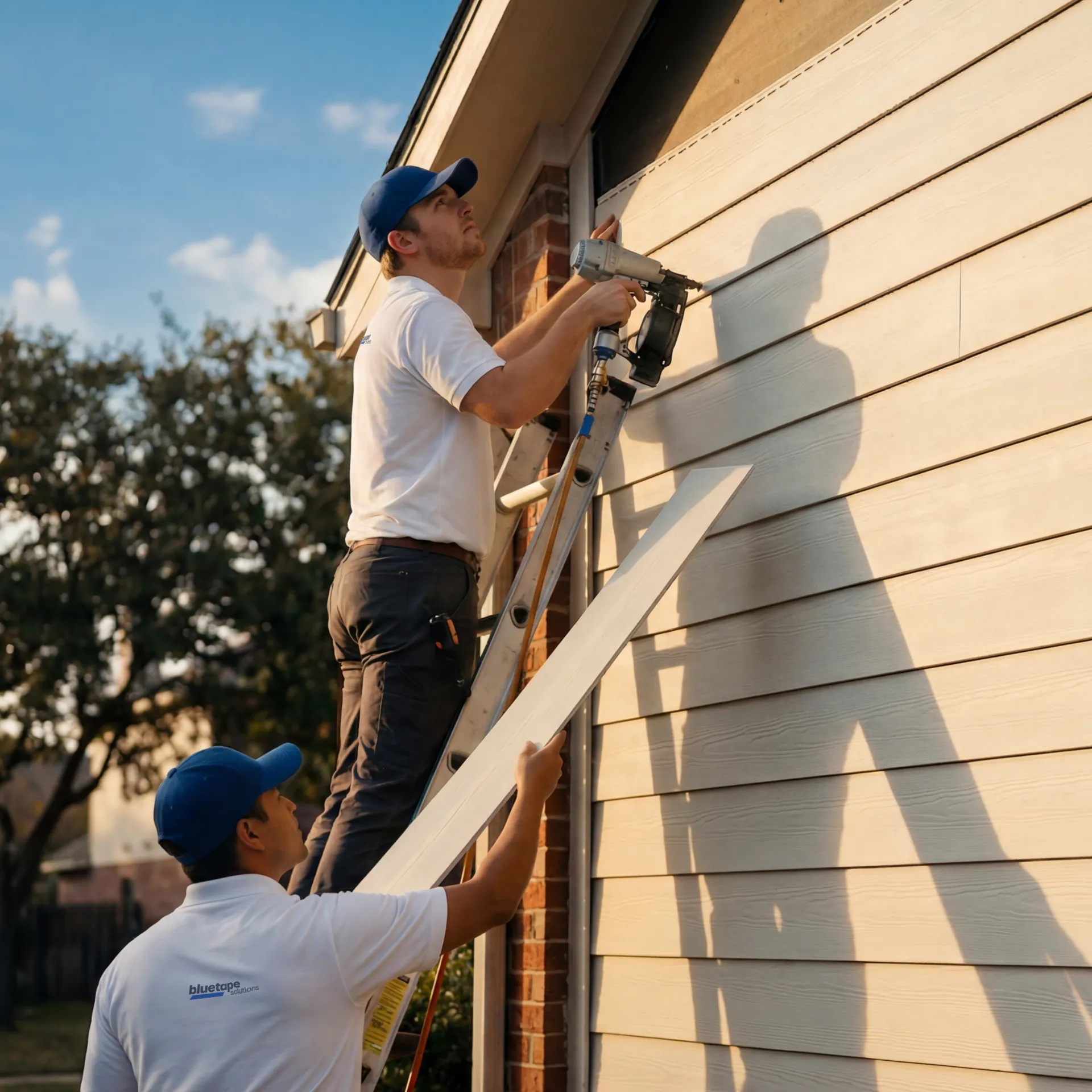
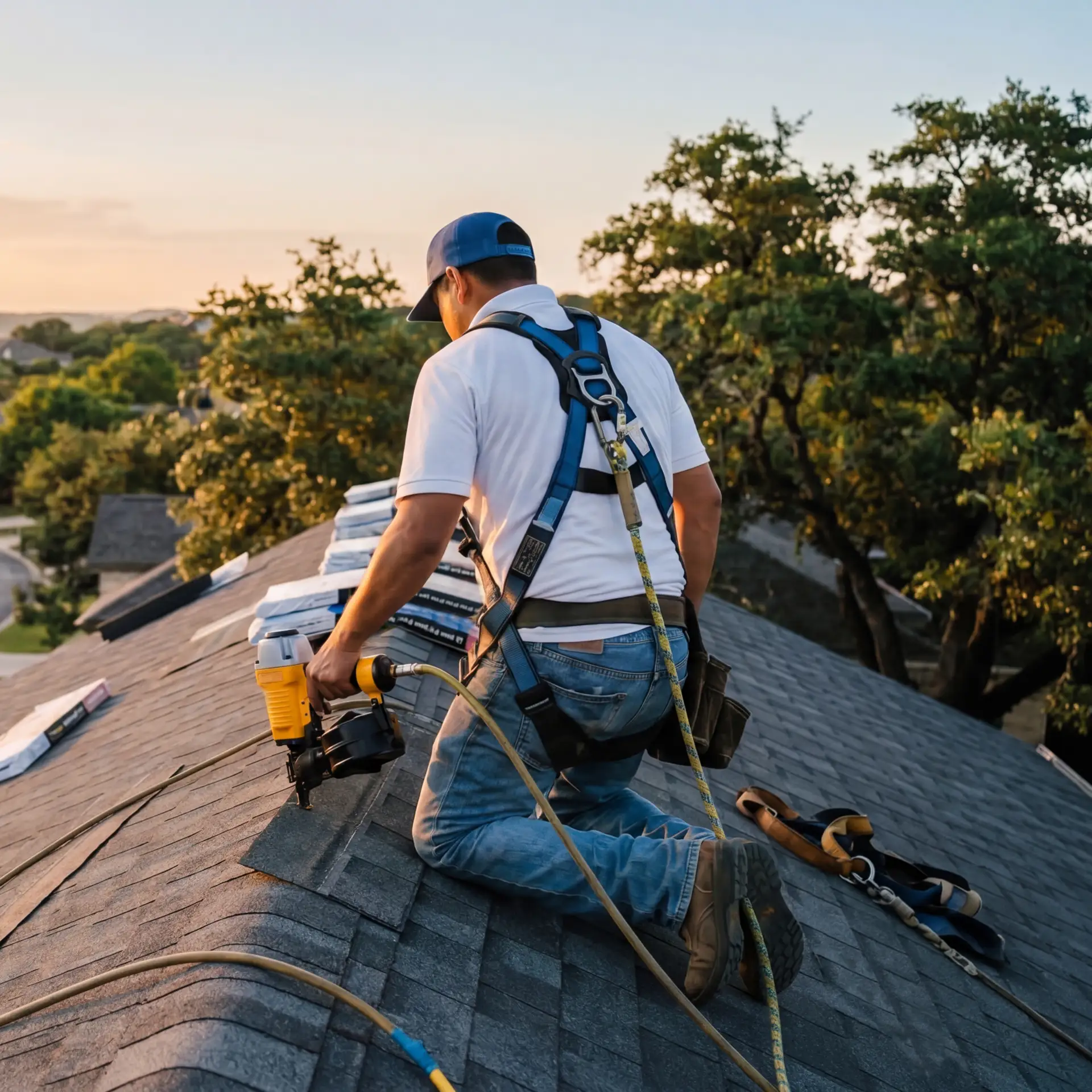
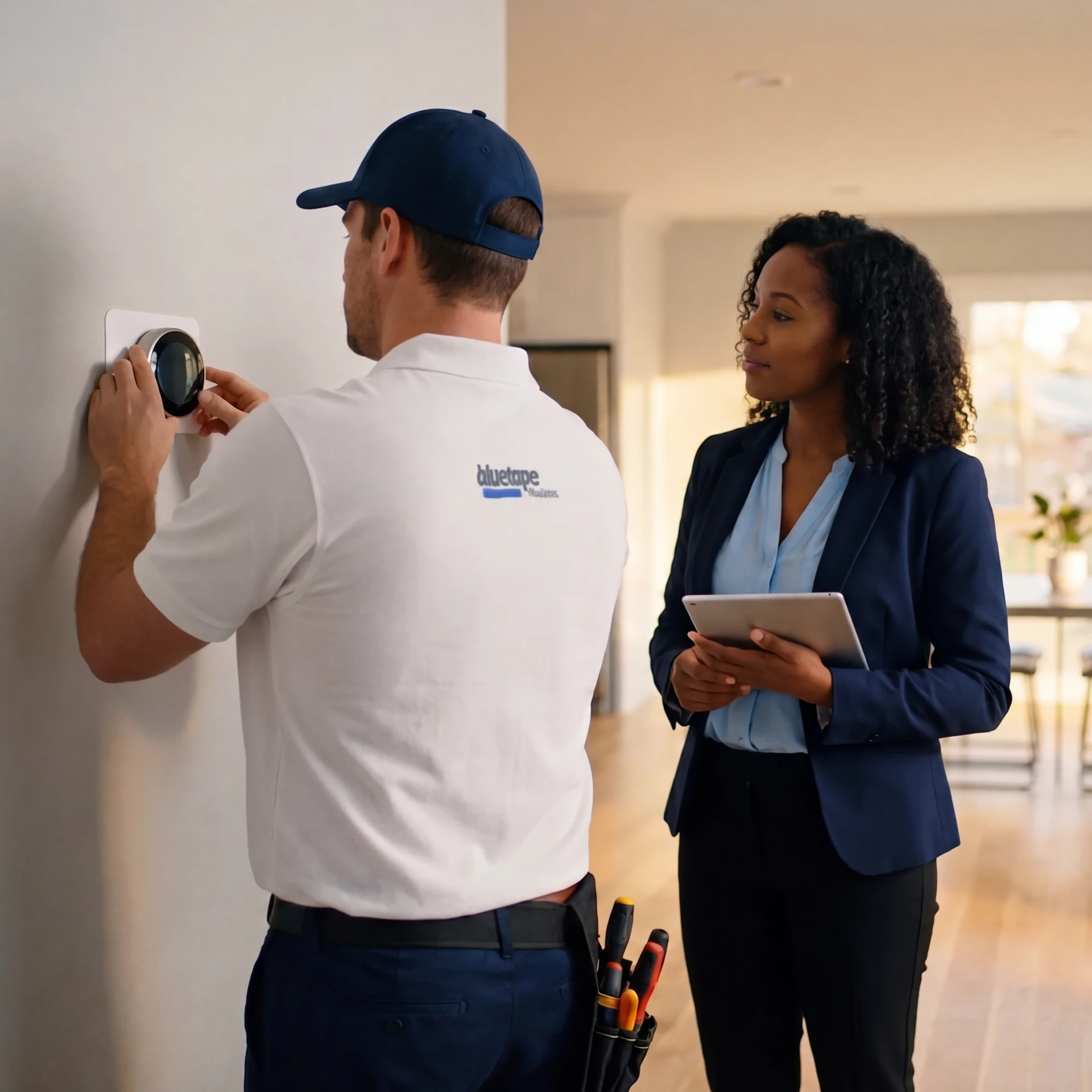
That can include several different trades within the same inspection report. Bluetape handles electrical, plumbing, HVAC, roofing, handyman repairs, flooring, painting, exterior repairs, crawl space and foundation work, among other scopes. Rather than sourcing separate contractors for each category, the items can be consolidated into one project, one point of coordination and one invoice.
For the repair side of a transaction, fewer moving parts mean fewer repair variables to track.
One repair company, one invoice, one timeline
Inspection reports rarely organize themselves conveniently by contractor.
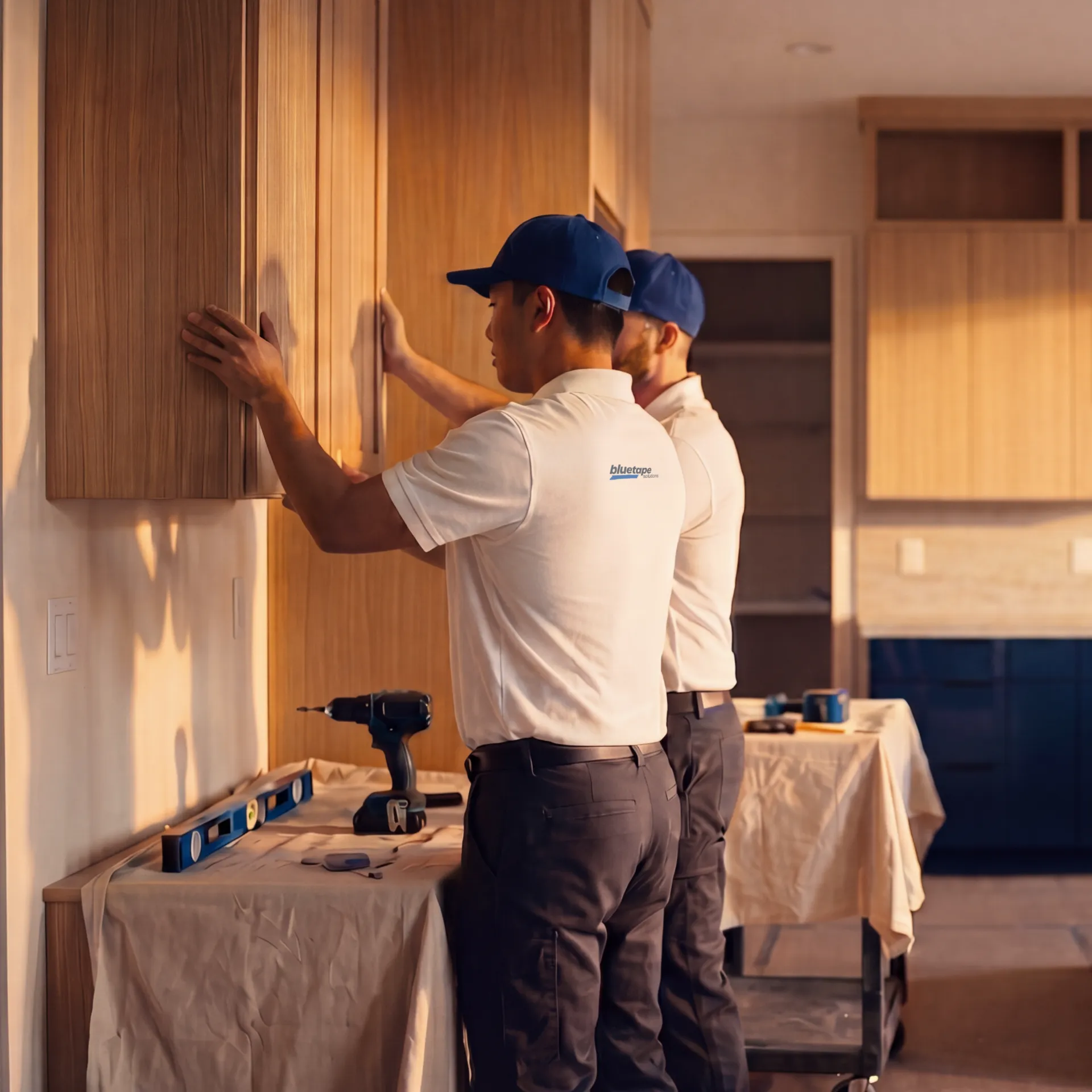
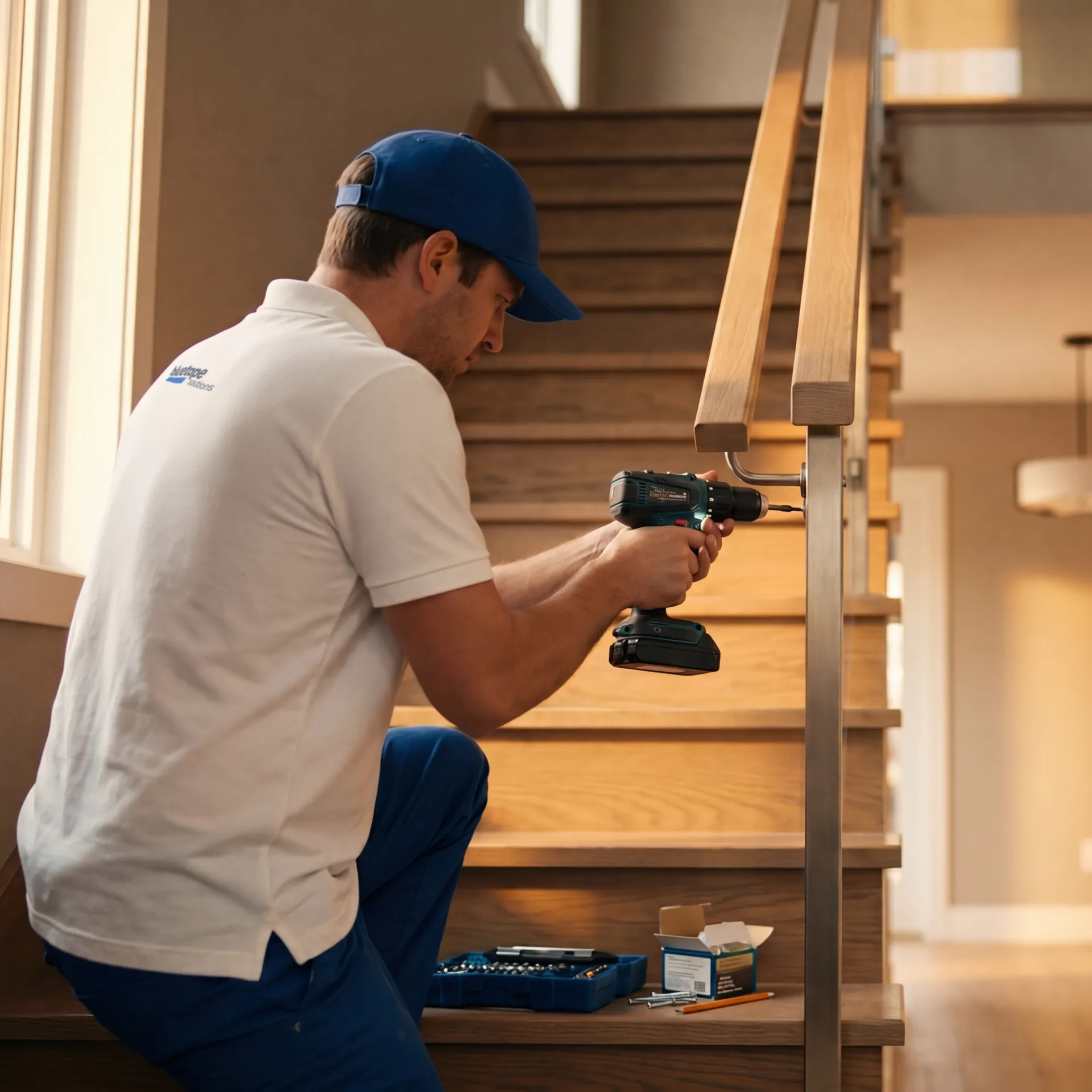
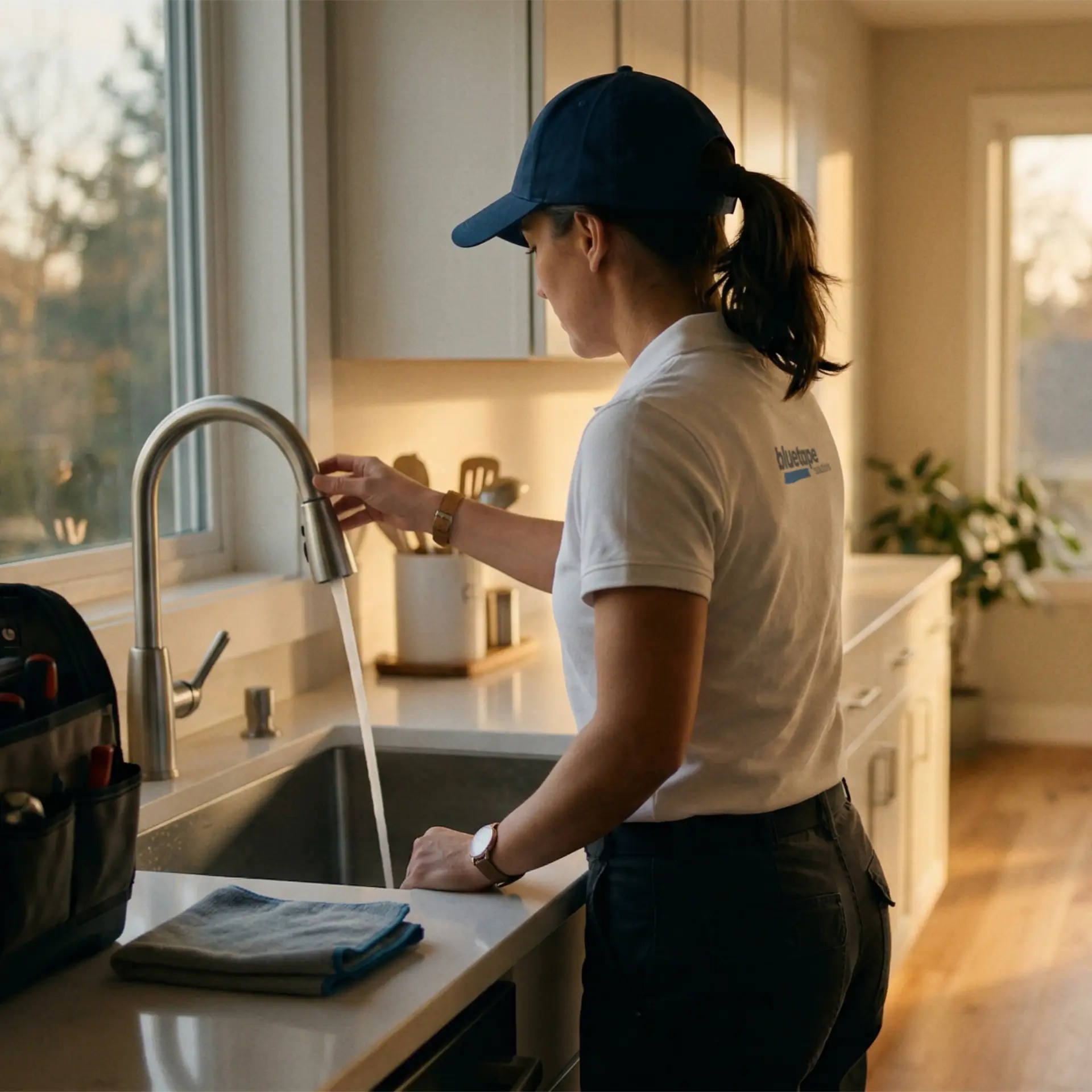
One report can include a loose railing, faulty GFCI outlet, leaking faucet, damaged shingles and drywall repair. Sourcing each item independently can mean multiple contractors, estimates, schedules, invoices and payment requirements—all tied to the same closing date.
That complexity matters when payment is being deferred. Each contractor may have different deposit requirements, payment terms and invoicing processes. Coordinating several vendors to complete their work now and receive payment at settlement can quickly add another layer of administration to an already time-sensitive repair project.
This is where multi-trade consolidation makes Pay at Close particularly powerful.
Bluetape brings the individual repair items under one coordinated project. Our in-house repair teams work across inspection scopes, while our field and administrative teams manage the scheduling, communication and documentation behind the work. Instead of arranging separate payment terms across multiple vendors, there is one Bluetape scope and one consolidated invoice.
Pay at Close extends that consolidation all the way through payment.
The result is a repair process built around the realities of the transaction: multiple trades, one company, one coordinated scope, one invoice—and the option to pay that invoice at closing.